

Dog Beds
Dog beds come in three shapes, and the right one depends on how your dog sleeps: a flat bed for a dog that stretches out, a bed with raised sides for one that curls up, and a sofa bed for one that rests its chin on something. Sizes here run from 16 × 12 in (40 × 30 cm) to 45 × 31 in (115 × 80 cm).
Some dogs curl up. Some stretch right out. Some like something to lean on. The shape your dog sleeps in narrows this down faster than anything else, then size, then how often you will be washing it. Forty-five beds sit behind this page: flat mats, raised sides, firm bases, cooling surfaces and covers.
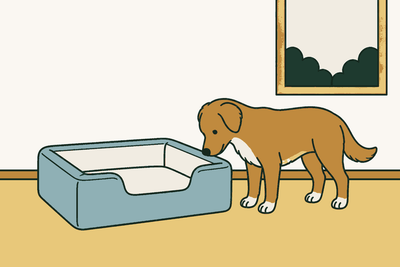
Watch how your dog sleeps for a few nights, then pick the row that matches.
 Curls into a ball
A round or oval bed with a wall: the Long-Pile Donut Dog Bed or the Oval Plush Dog Bed
Curls into a ball
A round or oval bed with a wall: the Long-Pile Donut Dog Bed or the Oval Plush Dog Bed Rests its chin on something
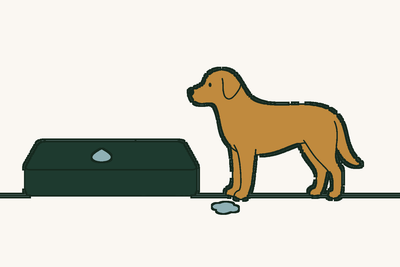
A sofa bed with walls: the Washable Square Dog Sofa Bed or the Waterproof Corduroy Sofa Dog Bed
Rests its chin on something
A sofa bed with walls: the Washable Square Dog Sofa Bed or the Waterproof Corduroy Sofa Dog Bed Has accidents
The waterproof dog beds page, not this one
Has accidents
The waterproof dog beds page, not this one
-
Washable Memory Foam Dog Bed
Regular price From $52.56 USDRegular price$0.00 USDSale price From $52.56 USD -
Fluffy Dog Basket Bed
Regular price From $49.45 USDRegular price$0.00 USDSale price From $49.45 USD -

 Sold out
Warm Dog Sofa Bed
Regular price From $51.43 USDRegular price$0.00 USDSale price From $51.43 USDSold out -
Three-Wall Dog Sofa Bed
Regular price From $64.88 USDRegular price$0.00 USDSale price From $64.88 USD -
Corduroy Dog Bed
Regular price From $89.65 USDRegular price$0.00 USDSale price From $89.65 USD -
Foam Dog Bed with Washable Cover
Regular price From $25.89 USDRegular price$0.00 USDSale price From $25.89 USD -
Cushioned Dog Sofa Bed
Regular price From $33.88 USDRegular price$47.51 USDSale price From $33.88 USDSale -
Square Plush Dog Bed
Regular price From $40.39 USDRegular price$0.00 USDSale price From $40.39 USD -
Washable Square Dog Sofa Bed
Regular price From $29.04 USDRegular price$0.00 USDSale price From $29.04 USD -
Waterproof Covered Dog Bed
Regular price From $69.21 USDRegular price$0.00 USDSale price From $69.21 USD -
Waterproof Dog Sofa Bed with Inner Pad
Regular price From $41.88 USDRegular price$0.00 USDSale price From $41.88 USD -
Warm Indoor Dog Bed
Regular price From $59.81 USDRegular price$0.00 USDSale price From $59.81 USD -
Strapped Waterproof Dog Mattress Pad
Regular price From $41.96 USDRegular price$0.00 USDSale price From $41.96 USD -
Zippered Oxford Bed Cover, Cover Only
Regular price From $26.49 USDRegular price$0.00 USDSale price From $26.49 USD -
Bolstered Sofa Dog Mat
Regular price From $40.76 USDRegular price$0.00 USDSale price From $40.76 USD -
Fitted Quilted Dog Bed Cover
Regular price From $29.67 USDRegular price$0.00 USDSale price From $29.67 USD -
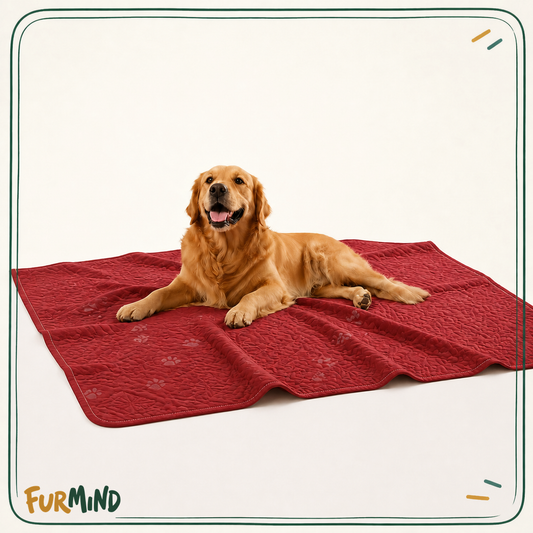
Reusable Dog Blanket for Bed and Car
Regular price From $12.46 USDRegular price$0.00 USDSale price From $12.46 USD -
Non-Slip Incontinence Dog Blanket
Regular price From $20.39 USDRegular price$0.00 USDSale price From $20.39 USD -
Floral Waterproof Dog Blanket
Regular price From $18.12 USDRegular price$0.00 USDSale price From $18.12 USD -
Breathable Back Seat Dog Mat
Regular price $42.33 USDRegular price$60.27 USDSale price $42.33 USDSale -
Roll-Up Waterproof Travel Dog Mat
Regular price From $45.85 USDRegular price$0.00 USDSale price From $45.85 USD -
Waterproof Mesh Car Seat Cover
Regular price $76.29 USDRegular price$0.00 USDSale price $76.29 USD -

 Sold out
Cooling Ice Silk Bolster Dog Bed
Regular price From $30.16 USDRegular price$0.00 USDSale price From $30.16 USDSold out -

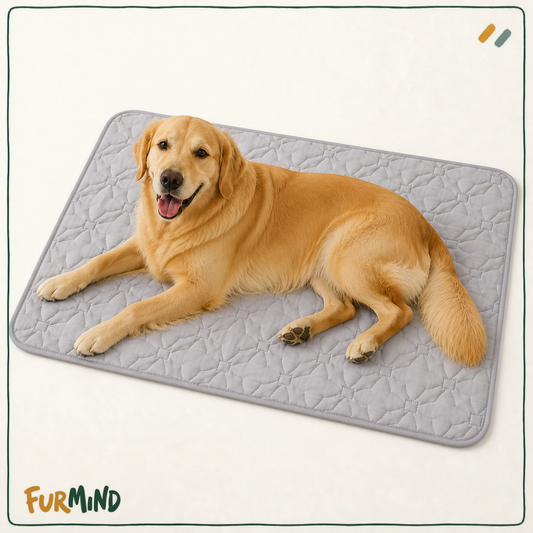 Sold out
Reversible Waterproof Dog Blanket
Regular price From $27.11 USDRegular price$0.00 USDSale price From $27.11 USDSold out










Elsewhere in the catalog


From the journal

What narrows forty-five beds down to one
How your dog sleeps cuts the range in half
A dog that curls into a ball sleeps pressed against a raised edge and uses every inch of it. A dog that sprawls flat on their side gets nothing from that edge and loses floor area to it. Dogs that rest their chin on things pick a bolster or a sofa back every time, and they do it consistently enough that you can predict it.
Of the forty-five here, fifteen have a raised edge on at least one side and nine are flat with no sides at all. That single split removes most of the range before you have looked at a single measurement.

Measure the dog, then measure the inside of the bed
Nose to the base of the tail, lying stretched out, plus 6 to 8 in (15 to 20 cm). On a bed with walls, that number has to fit the inner panel. The outer box includes a rim they cannot lie on. The smallest bed here is 16 × 12 in (40 × 30 cm) and the largest floor bed is 45 × 31 in (115 × 80 cm), so the range covers a terrier and a mastiff, but not with the same product.

A soft fill and a firm base fail in different ways
Soft fill gives way under the dog until there is very little left between them and the floor, and it does that gradually enough that you stop noticing. A firmer base keeps its shape and feels less inviting on day one. Weight is the honest signal: a big bed that ships at a kilogram has fibre inside, not foam.

How often it gets washed decides the construction
Thirteen of the forty-five have a cover that comes off, and thirteen carry a coated or tightly woven surface that keeps liquid out of the padding. Only four do both. Those are two separate jobs and the listing says which one applies, because a bed that solves dirt does not necessarily solve accidents.

Where the bed lives rules out whole shapes
A crate pan and a car trunk have hard limits measured across the base, and eight of these are cut for one or the other. A hot room in July points at the three ice-silk surfaces rather than at anything plush. A floor bed has no limit at all, so it can be the size the dog needs rather than the size the space allows.

The three shapes, and who each one is for
Almost every bed here is one of three things. A flat mat: no walls, the whole footprint is sleeping surface, easiest to wash and to fit into a crate or a trunk. A bolster or sofa bed: a raised edge on one to four sides, which a dog can press against or rest a chin on. A donut or round bed: a continuous ring, listed by outside diameter, built for a dog who curls into a ball.
The mistake people make is treating these as styles. They are not. They are three different amounts of usable floor, and a dog who sprawls will use every inch of the first and lose a quarter of the third.

What wears out, and in what order
The fill goes first, and it goes quietly. A fibre-filled bed loses loft where the dog carries weight, which is the shoulder and the hip, so the bed thins in exactly the two places it was doing work. You will not notice the week it happens.
The zip goes second, on any cover washed weekly. The fabric almost always outlives both. That order is why we put fill type and shipping weight on the page: they predict the first failure, and the outer fabric does not.

Where a bed goes wrong is usually the room, not the bed
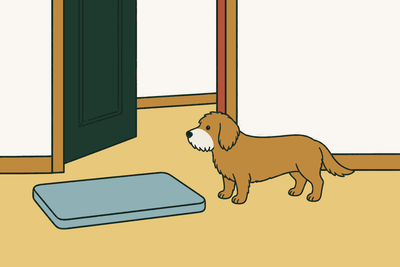
A bed placed where you would like the dog to sleep tends to stay empty. A bed placed where they already sleep gets used the same day. Dogs pick a spot for sightlines and traffic, not for comfort, and a bed does not override that.
Watch for a week before you decide. If they sleep by the door, that is a bed by the door, and moving it six feet into the corner is the most common reason a good bed goes unused.

Questions people ask about dog beds
What kind of dog bed is best?
The one that matches how your dog already sleeps. Watch them for a few nights: curled into a ball, flat on their side, or with their chin propped on something. Curlers and chin-proppers use a raised edge; sprawlers lose floor area to it. That observation decides the shape, and the shape decides more than the brand does.
What is the best bed for a dog to sleep on?
For most adult dogs, a base that holds its shape under their weight and enough flat area to lie fully stretched. Those two together matter more than the outer fabric. For an older dog, add a low entry. An 8 in (20 cm) wall is a step to climb before they can lie down.
What dog bed do vets recommend?
We are not vets and we will not put words in their mouths. What comes up consistently in veterinary advice is support under the joints for older and heavier dogs, and a surface that can be cleaned properly. Both are things you can check on a listing: fill type and whether the cover comes off.
What is the most comfortable bed for dogs?
Comfort is not one property. A curler finds a walled bed comfortable and a sprawler finds the same bed cramped. The one thing that is not subjective: a fill that has flattened is uncomfortable for every dog, because at that point they are lying on the floor through a layer of fabric.
What to use instead of a dog bed?
For a night or two, a folded blanket or an old duvet will do. What it lacks is a base that keeps its shape and a cover you can take off and wash. If you want something between a blanket and a bed, the Reusable Dog Blanket for Bed and Car ($12.46 to $24.14) is a quilted pad in three nested sizes. The Foam Dog Bed with Washable Cover ($25.89 to $64.33) is a thin mat that folds, and its cover comes off for the wash.
What is an anxiety dog bed?
Usually a round bed with a high, soft wall, often called a donut, that a dog can curl into with its back against the edge. It is a shape, not a treatment, and it suits a dog that already sleeps curled up. The two here are the Long-Pile Donut Dog Bed ($27.97 to $74.32) and the Shaggy Plush Donut Dog Bed ($23.50 to $115.30). A dog that paces or cries when it is left alone needs more than a new bed.
How much should a dog bed cost?
On this page, from about $12 for a quilted pad to about $170 for the largest corduroy bed, depending on size and construction. Price tracks two things here: how much material a size takes, and whether there is a foam core rather than loose fibre. A large bed at the bottom of a range is almost always fibre-filled.
How do I know what size to order?
Measure the dog stretched out, nose to the base of the tail, and add 6 to 8 in (15 to 20 cm). Compare that to the inner sleeping area, not the outside dimensions, on any bed with a rim. Between two sizes, take the bigger one. A bed slightly too small tends to go unused whatever else is right about it.


