Best Waterproof Dog Beds

A waterproof dog bed keeps liquid from reaching the fill under normal use. A water-resistant bed only slows it down, so pressure or time can push liquid through. Start with the material line, then check the seams, zip and base. Use the word waterproof only when all four support it.
| Layer | What to check | Who it suits | Who it does not suit |
|---|---|---|---|
| Coated outer shell | The listing names a coating or waterproof fabric, and the seams, zip and base do not leave an open route to the fill | A bed near a back door, on a covered porch or under a wet coat | A dog that needs a soft top layer removed for frequent washing |
| Inner liner | The liner sits between the removable cover and the fill, and it encloses the full cushion rather than only the top | A dog that has accidents on an indoor bed | A listing that says "liner" but does not state where it sits or what it covers |
| Zipped cover | The product page states that the fabric is coated, gives all three bed dimensions and shows where the zip opens | A flat mattress bed that still fits the dog | A bolster, oval bed or cushion whose depth does not match the cover |
| Washable top layer | The care line names machine washing, and the pad or blanket can come off without moving the whole bed | A dog that leaks at night or a bed shared with a sofa | A setup where the fill is already wet, because a washable layer does not dry the fill |
Three different claims get printed on dog beds and they are often used as if they meant the same thing:
Waterproof — liquid does not pass through, under normal use.
Water resistant — liquid beads on the surface and passes through if it sits there or if pressure is applied.
Wipe clean — the surface can be sponged. Says nothing about what happens underneath.
Only the first one keeps liquid out of the fill. This page is about how to tell which one you are being sold.
The waterproof dog beds we list all use a woven synthetic or a coated fabric.
How to read a waterproof bed's material line
This is the single most reliable check, and it takes ten seconds.
Hold water out: nylon, Oxford weave (a tightly woven nylon or polyester), coated or laminated polyester, PU-backed fabric, leather and coated faux leather.
Do not hold water out: cotton, canvas, linen, faux fur, plush, fleece, untreated polyester.
If the description says waterproof and the material line says cotton, those two statements contradict each other. The material line is the one that is checkable, and it is the one to believe. This is a common enough mismatch that we treat it as a reason not to stock a product, not a detail to explain away.
Canvas is worth calling out separately, because it gets described as waterproof more often than anything else. Canvas is durable and tightly woven, which is not the same property. Untreated canvas absorbs and holds water; treated canvas resists it for a while and then does not.
Ways water gets into a waterproof bed
Even on the right fabric, liquid finds three ways through:

Seams. Every stitch is a hole. On a bed that is genuinely waterproof, seams are taped, welded, or placed on the underside where liquid does not pool. On most beds they are not, and the seam line is where the fill gets wet first.
The zip. A standard zip is not waterproof. Look for a zip with a flap over it, or one placed on the underside.
The base. A bed with a waterproof top and a plain woven base will soak up anything on the floor. If the bed sits on tile that gets mopped, or outside on damp ground, the base matters more than the top.
Outer shell or inner liner: two different products
A waterproof outer keeps liquid on the surface, where you wipe it off. Good for mud and rain. The downside is that it also keeps the surface from breathing, so it tends to feel plasticky and warm, and any liquid that does get past the seams is then trapped inside.
A waterproof liner sits between the cover and the fill. The cover is ordinary fabric — soft, breathable — and absorbs the liquid; the liner stops it before the foam; the cover goes in the wash.
For a bed indoors, the liner is almost always the better design, because the thing you want is for the fill to stay dry and the cover to be washable. For a bed outdoors, the outer shell is the better design, because there is no washing machine involved.
On a bed you already own, a waterproof cover solves most of this.
Keeping the fill dry
Foam absorbs water and gives it up slowly. Once the inside of a foam slab is wet, it can take days to dry through, and while the centre is damp the bed will smell — the smell returning each time the bed warms up under the dog.
There is no good way to dry a soaked foam slab quickly. Heat damages foam, and a radiator dries the outside while the middle stays wet. So the design that matters is the one where the foam never gets wet in the first place.
That is also why waterproofing and washability are the same conversation rather than two separate features.
Outdoors: waterproof bed or raised frame
Two different answers to the same problem.
A waterproof padded bed keeps rain out of the fill but sits in whatever is on the ground, so on grass or gravel it stays damp underneath.
A raised frame lets water pass beneath the bed entirely and dries in moving air. Water runs off rather than sitting, which is the argument for raised beds for outdoors.
On a hard surface that drains, the frame is usually better. On a covered porch where the bed stays dry from above but the floor is cold, a waterproof padded bed is more comfortable.
Crates and car boots
Crates are where waterproofing matters most, because that is where accidents happen — puppies during house-training, and any dog left longer than usual. Puppies in crates are the most common case, so crate beds that shed liquid are covered separately.
For car boots and back doors, wipe-clean mats are usually enough. There is no fill to protect, and the thing you need is a surface you can sponge and a base that does not slide.
Testing it at home
Once the bed arrives, two minutes settles the question.

Pour a small amount of water — a tablespoon is enough — onto the middle of the surface and leave it for a minute. On a genuinely waterproof fabric it sits as a bead and wipes away leaving the surface dry. On a water-resistant one it beads at first and then darkens the fabric under it. On cotton or plush it disappears into the fabric immediately.
Then repeat over a seam. That is where most beds fail, and it is the result that tells you whether the bed is waterproof or just made of waterproof material.
Picks by situation
Prices below use only the variants with inventory above zero in the live catalog pull.
| Situation | Current product | Live price range | What the listing confirms |
|---|---|---|---|
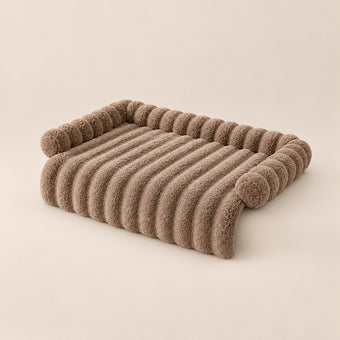
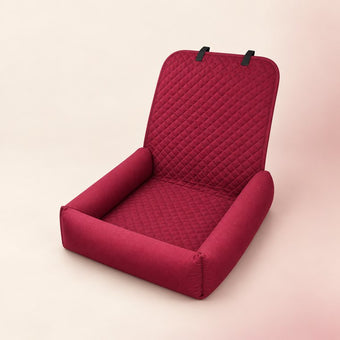
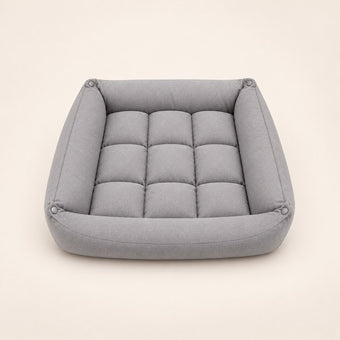
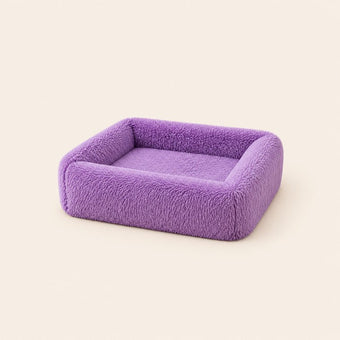
| You want a complete bed with a raised wall | Waterproof Dog Sofa Bed with Inner Pad | $41.88 to $103.36 | Five sizes, with the wall higher at the back and sides |
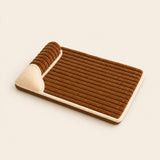
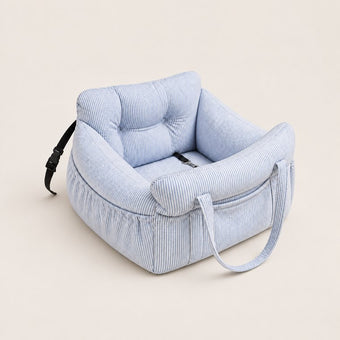
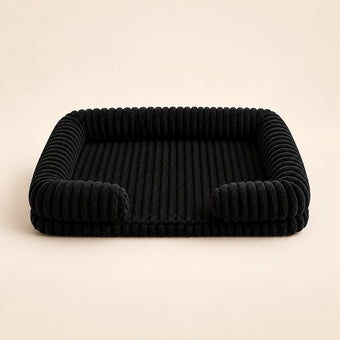
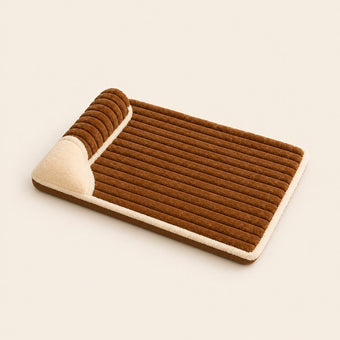
| Your dog curls up but needs a lower front corner | Waterproof Corduroy Sofa Dog Bed | $46.16 to $167.53 | Five sizes, walls at the back and sides, and one front corner dropped |
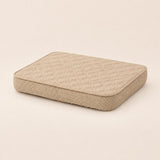
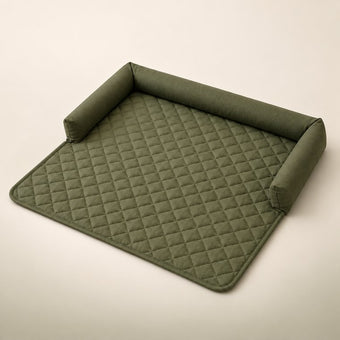
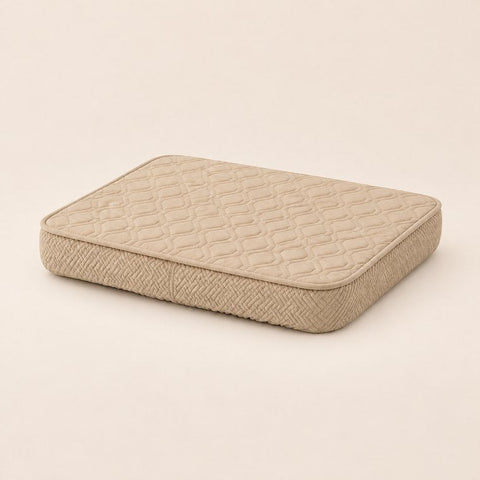
| The flat mattress bed still fits | Zippered Waterproof Bed Cover, Cover Only | $24.54 to $42.10 | A coated Oxford cover with a zip along one long edge and five stated dimensions |
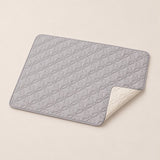
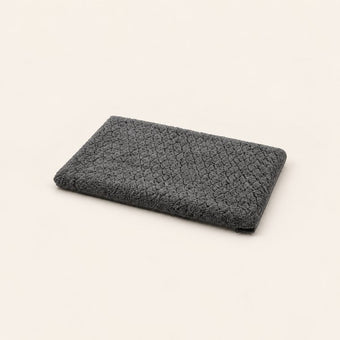
| Accidents happen on a bed or sofa | Non-Slip Incontinence Dog Blanket | $20.39 to $113.86 | A washable quilted face with a dotted non-slip reverse |
| The dog sleeps on a human bed | Strapped Waterproof Dog Mattress Pad | $41.96 to $88.40 | Eight human-bed sizes with corner ties |
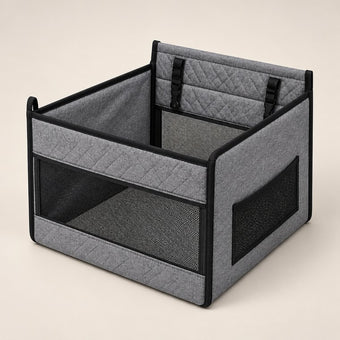
| The back seat needs its own barrier | Waterproof Mesh Car Seat Cover | $76.50 | One hammock-style cover with headrest straps and a mesh front window |
If accidents have just started, read before the accident before replacing a bed. If cleaning is the only problem, read what washable really means before paying for a waterproof layer.
Waterproof dog bed checklist
- Material line says nylon, Oxford, coated polyester or leather — not cotton, canvas or plush.
- Seams are taped or placed on the underside.
- The zip is flapped or underneath.
- The base is waterproof too, not only the top.
- For indoor use: a liner between cover and fill, with a washable cover over it.
- Tested with a tablespoon of water on the surface and again on a seam.
Quick answers
Are waterproof beds good for dogs?
They are useful when rain, wet coats or accidents would otherwise reach the fill. A waterproof dog bed still needs the right sleeping length, a surface the dog uses and a cleaning route stated on the listing.
What are some good pee-proof dog beds for dogs?
A pee-proof setup keeps liquid away from the fill and gives you a top layer that comes off for cleaning. For a bed that still fits, start with dog bed covers; for a replacement, check the shell, seams, zip and base before relying on the product name.
What is the best waterproof material for a dog bed?
There is no single best material. Look for a named barrier such as a coated or laminated polyester, a coated Oxford fabric or a PU-backed fabric, then check the seams and zip; a washable waterproof dog bed should state both the barrier and the washing method.
What is the best waterproof dog bed for elderly dogs?
Entry height and cleaning route decide the choice for an elderly dog. The Waterproof Dog Sofa Bed with Inner Pad has walls higher at the back and sides and five listed sizes, while an added incontinence blanket gives you a separate washable layer.
Where to go next
 CollectionWaterproof Dog BedsBeds and layers that keep liquid on the surface
 CollectionWashable & Waterproof Dog BedsLiquid stays on top and the cover goes in the machine
 CollectionDog Bed CoversSpare and replacement covers that zip off for the washGuideBefore the AccidentHouse training that starts before the first accident
 JournalBest Dog Beds for Senior DogsEntry height, foam and washing for an older dog
 JournalBest Washable Dog BedsWhat washable really means, and where to find the zip